

There’s a quiet shift happening in how businesses handle something that used to be almost an afterthought — the humble business card. For decades, ordering a box of printed cards was just something you did when you started a job or launched a company, without much thought beyond picking a font and making sure the phone number was correct. But as more businesses look for ways to work smarter, save money, and present themselves in a way that actually reflects how modern their operations are, digital business cards have moved from a curiosity to a genuinely practical choice.
If you’re a business owner or manager weighing whether it’s worth making the switch, it helps to look past the novelty of “tapping a phone” and think about what actually changes, day to day, once your team stops relying on paper. Here’s a closer look at the real benefits, beyond the surface-level appeal.
You Stop Throwing Money at Something That Becomes Outdated
Every business that’s ordered printed cards has run into the same frustrating cycle. Someone gets promoted, a phone number changes, an office relocates, or the company rebrands, and suddenly a stack of cards sitting in a drawer is essentially useless. You either keep handing out cards with wrong information, which looks careless, or you throw out what’s left and pay for a new batch, which adds up in ways that are easy to overlook until you actually calculate the total cost over a few years.
A digital business card sidesteps this problem almost entirely. Because the card links to a hosted profile rather than storing fixed information, updating a title, number, or address takes a couple of minutes and applies instantly, without a single physical card needing to be reprinted or thrown away. Over time, this alone tends to be one of the more compelling financial reasons businesses make the switch.
Your Team Looks More Consistent, Without Extra Effort
Anyone who’s managed a growing team knows how easy it is for small inconsistencies to creep in — one employee’s card has a slightly different logo placement, another’s uses an old color scheme because they never reordered after a rebrand, and eventually the company’s printed materials stop looking like they belong to the same business. Digital business cards, especially when managed through a shared company template, largely eliminate this problem. Every employee’s card pulls from the same base design, so branding stays consistent across the entire team without anyone needing to manually check for outdated versions floating around.
It Makes a Genuinely Strong First Impression
There’s still something notable about handing someone a card and watching their profile appear on their phone with a single tap, especially in industries where clients or partners don’t necessarily expect that level of polish. It signals, often without you needing to say anything, that your business pays attention to how it presents itself and isn’t stuck doing things the same way they’ve always been done. For client-facing roles in particular — sales, consulting, real estate, hospitality — this kind of small but noticeable detail can genuinely shape how seriously a new contact takes the interaction that follows.
You Get Actual Data Instead of Guesswork
One of the most underrated shifts that comes with digital business cards is the ability to measure something that used to be completely invisible. With paper cards, a business has no real way of knowing what happened after a card left someone’s hand — whether it led to a follow-up, sat in a drawer, or was thrown away within the hour. Digital cards, particularly ones linked to a hosted profile, often come with basic analytics showing how many times a card was tapped, which links got clicked, and roughly when that activity happened.
For a business trying to understand which networking events are actually worth attending, or which team members are generating the most engagement, this kind of visibility turns a fairly vague part of the business into something you can actually evaluate with real numbers.
Employee Departures Stop Being a Loose End
This is a smaller point, but one that businesses appreciate once they think it through. When an employee leaves a company, any paper cards they’ve handed out over the years remain in circulation indefinitely — old contact details, an outdated title, sometimes even continuing to represent the company in a role they no longer hold. With a digital card managed centrally, a departing employee’s profile can simply be deactivated, immediately stopping it from functioning, without needing to physically retrieve anything that’s already out in the world.
It’s a Small but Real Step Toward Reducing Waste
Sustainability isn’t the primary reason most businesses make this switch, but it’s a genuine side benefit worth mentioning. A single reusable digital card can replace what would otherwise be thousands of printed cards over its lifetime, particularly for employees who network frequently. For businesses that already think about their environmental footprint in other areas, cutting out a steady stream of printed cardstock is a small, low-effort way to reduce unnecessary waste without changing how anyone actually works.
It Scales Without Becoming a Logistical Headache
For a small business with two or three people, managing business cards, digital or otherwise, isn’t much of a challenge either way. But as a company grows — from ten employees to fifty, or fifty to several hundred — coordinating printed cards for everyone becomes a genuinely time-consuming task, involving design approvals, print runs, shipping, and reissuing cards every time someone’s details change. Digital business cards, particularly those built with bulk onboarding and centralized management in mind, handle this kind of growth far more gracefully, letting a business add or update dozens of employees at once without much additional effort from whoever’s managing it.
It Naturally Extends Into a Fuller Introduction, Not Just Contact Details
A printed card is limited by its physical size — a name, a title, a phone number, maybe a logo, and that’s about it. A digital business card isn’t bound by the same constraints. A business can use the extra space to include a short company description, links to relevant work or case studies, a booking link for sales calls, or social proof like client testimonials. This turns what used to be a purely functional exchange into something closer to a brief, curated introduction to the business itself, which can meaningfully shape how a new contact perceives you before a real conversation has even started.
It Fits Naturally Into How People Already Work
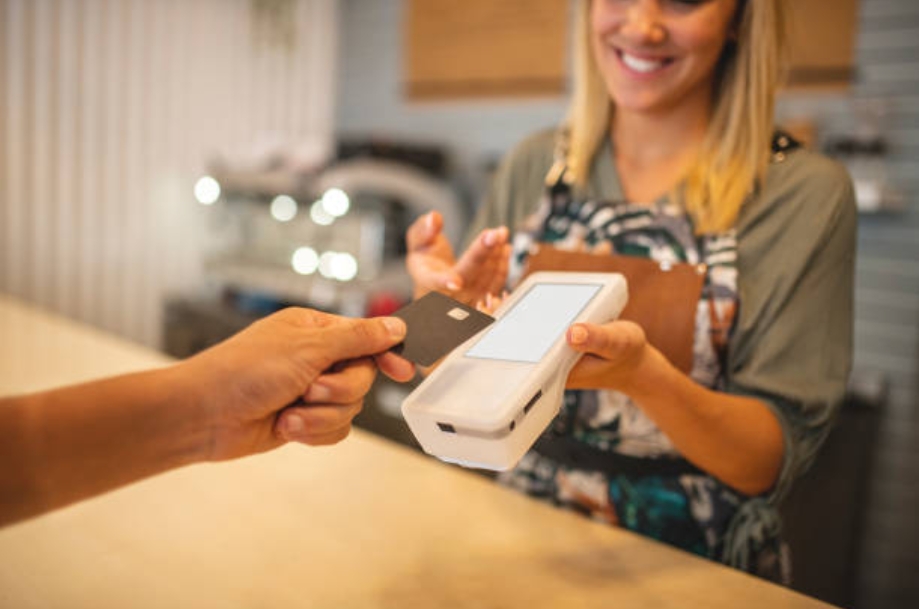
Perhaps the most practical benefit is also the simplest one: digital business cards fit into habits people already have. Almost everyone carries a smartphone, and tapping or scanning something to view information is no longer an unusual action for most people, given how common it’s become with payments and other everyday interactions. Adopting a digital card doesn’t ask clients or contacts to learn a new behavior; it simply applies something they’re already comfortable with to a new, slightly more useful purpose.
If you’re weighing whether this is worth implementing across your own team, it’s worth exploring what a properly built digital business card platform for businesses actually looks like in practice, since the experience varies quite a bit between basic individual cards and something designed specifically for company-wide use. A platform like evrycard is built around exactly this kind of business use case, with centralized management and consistent branding handled from the start rather than added on as an afterthought.
Frequently Asked Questions
Is switching to digital business cards actually worth it for a small business?
Often, yes, even for a small team. The main appeal for smaller businesses tends to be cost savings over time and the flexibility to update details instantly, rather than the more advanced team-management features larger companies rely on.
Do digital business cards replace printed cards entirely, or can they work alongside them?
Many businesses use them exclusively once they’ve made the switch, but there’s no strict requirement either way. Some businesses keep a small stock of simple printed cards for situations where a physical handoff still feels appropriate, while relying on the digital version for most day-to-day networking.
How difficult is it to get an entire team set up?
With a platform built for business use, this is usually far simpler than people expect. Bulk onboarding tools let a company upload employee details at once, rather than setting up each person’s card individually.
Does using a digital business card require clients or contacts to download an app? Generally, no. Most modern smartphones can read NFC tags or scan QR codes natively, meaning the person receiving your card doesn’t need to install anything to view your profile.
What happens to an employee’s card if they leave the company? Their profile can typically be deactivated directly from a central dashboard, immediately stopping it from working, without needing to physically collect a card back.
Final Thoughts
The benefits of switching to a digital business card go well beyond the initial impression of tapping a phone. For a business, it means lower ongoing costs, more consistent branding across a growing team, genuine visibility into how networking efforts are actually performing, and a system that scales without becoming an administrative burden. What starts as a small, practical upgrade to something as simple as a business card often ends up reflecting something bigger about how the business operates — a little more organized, a little more current, and a little easier to keep consistent as the company continues to grow.