

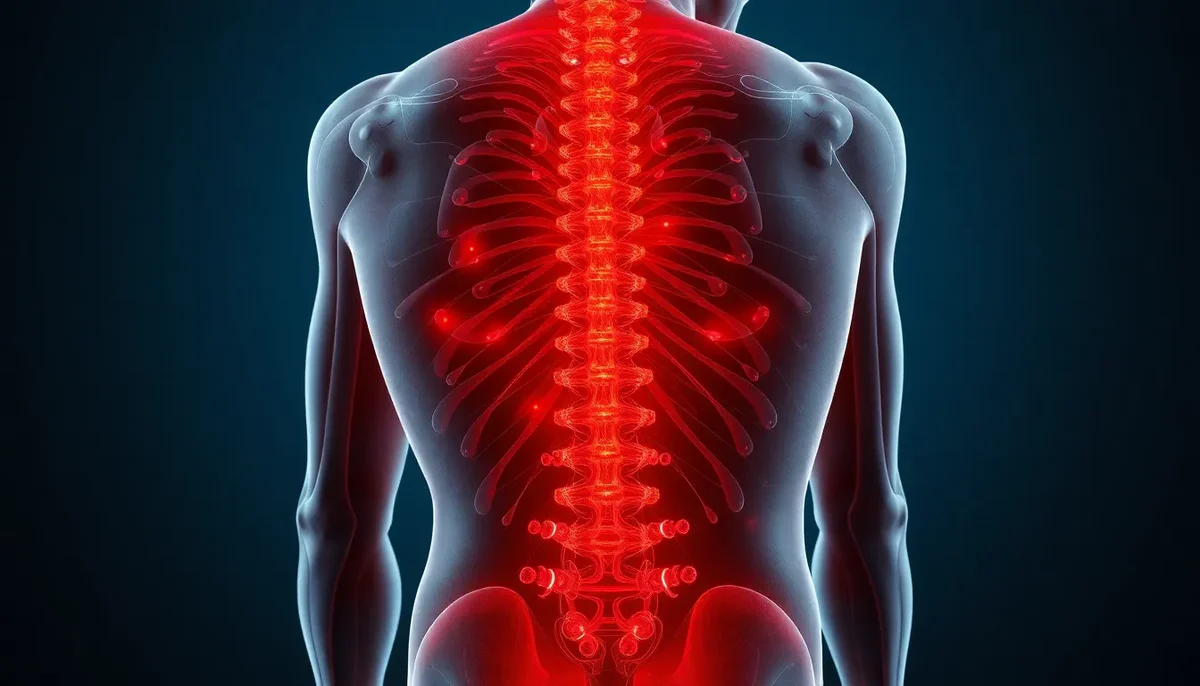
Chronic back pain has reached an all-time high in the United States. Recent 2025 data indicates that over 60 million Americans now report living with chronic pain, a staggering increase of 10 million people since 2019 (University at Buffalo, 2025). As the search for non-invasive solutions intensifies, many are turning away from the operating table and toward advanced technology.
At the forefront of this shift is the spinal decompression machine, a specialized tool designed to treat the root causes of spinal distress without the risks associated with surgery.
Understanding the Mechanics of Relief
Unlike traditional traction, which can sometimes trigger muscle spasms, a modern decompression table uses computerized sensors to bypass the body’s natural “guarding” response. By applying a gentle, rhythmic pull, the machine creates negative intradiscal pressure.
This vacuum effect serves two primary purposes:
- Nutrient Influx: It draws oxygen, water, and nutrient-rich fluids into the disc to jumpstart the healing process.
- Retraction: It encourages herniated or bulging disc material to pull back toward the center of the disc, alleviating pressure on sensitive nerve roots.
5 Key Benefits Backed by Clinical Data
The effectiveness of this technology isn’t just anecdotal. Clinical research consistently highlights the advantages of non-surgical intervention:
- High Success Rates for Disc Issues: Studies have shown that non-surgical spinal decompression has a success rate between 71% and 89% for patients with herniated discs and sciatica (Inspine Chiropractic, 2026).
- Significant Pain Reduction: Patients often report a massive decline in discomfort. Research published in the Journal of Novel Physiotherapy and Physical Rehabilitation noted a mean pain score reduction of 4.3 points on a 10-point scale after an average of just 15 sessions (MedScience Group, 2024).
- Avoidance of Surgery: In one clinical study of 296 patients already scheduled for microdiscectomy, 82% were able to cancel their surgeries after completing a spinal decompression protocol (Spine Journal).
- Improved Mobility: Beyond just masking pain, the therapy restores function. Data shows an average 45% improvement in functional capacity compared to just 21% in traditional physical therapy groups (Genesis Pub, 2025).
- Increased Disc Height: Objective MRI data has recorded average disc height increases of 1.2 mm to 1.3 mm, effectively “re-padding” the spine’s natural shock absorbers.
Who is a Candidate for Decompression?
While the technology is transformative, it is specifically targeted toward mechanical spine issues. Healthcare providers typically recommend this treatment for:
- Herniated or Bulging Discs: Where the inner gel of the disc is pressing on a nerve.
- Degenerative Disc Disease: The age-related wear and tear that affects 45.6% of adults over 65 (National Council on Aging, 2026).
- Sciatica: Sharp, shooting pain that radiates down the leg.
- Posterior Facet Syndrome: Worn spinal joints that cause localized back pain.
The Economic Impact of Choosing Non-Invasive Care
The financial burden of back pain in the U.S. is estimated at nearly $100 billion annually in direct medical costs (Cleveland Clinic). Choosing a non-surgical route not only reduces the risk of infection (which sits at 4–8% for spinal surgeries) but also eliminates the 6–16 weeks of lost wages typically required for post-operative recovery.
Final Thoughts
As we move further into 2026, the integration of AI-driven sensors and more precise decompression algorithms is making this therapy more effective than ever. For those stuck on the “pain treadmill,” a series of sessions on a decompression table may be the bridge between chronic disability and a return to an active, mobile life.
