

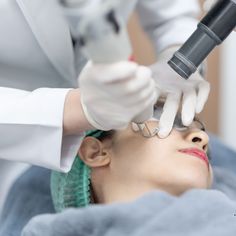
Scars are a natural part of the body’s healing process, but they can sometimes leave lasting marks that affect both appearance and confidence. Whether caused by acne, surgery, injury, or burns, scars can be difficult to treat with topical products alone. Fortunately, advances in aesthetic medicine have introduced highly effective solutions, and one of the most trusted options today is CO2 Laser Resurfacing in The Woodlands.
Fractional CO2 lasers have become a leading technology for skin rejuvenation and scar reduction because they address both the surface and deeper layers of the skin. By stimulating the body’s natural healing processes, these lasers can significantly improve scar texture, color, and overall appearance.
Understanding Scars and Why They Form
Scars develop when the skin repairs itself after an injury. During healing, the body produces collagen fibers to close wounds and rebuild damaged tissue. However, this new tissue often differs from the surrounding skin in texture, thickness, and color.
Common types of scars include:
- Acne scars
- Surgical scars
- Traumatic injury scars
- Burn scars
- Hypertrophic scars
- Stretch marks
The severity and appearance of a scar depend on factors such as the depth of injury, genetics, skin type, and the healing process.
What Is a Fractional CO2 Laser?
A fractional CO2 laser is an advanced resurfacing device that delivers highly focused beams of carbon dioxide laser energy into the skin. Unlike traditional CO2 lasers that treat the entire skin surface, fractional technology targets microscopic treatment zones while leaving surrounding tissue intact.
This approach offers several advantages:
- Faster healing
- Reduced downtime
- Lower risk of complications
- Enhanced collagen stimulation
- Improved treatment precision
By treating only a fraction of the skin at a time, the laser promotes rapid recovery while still delivering powerful rejuvenation benefits.
How Fractional CO2 Lasers Improve Scars
The effectiveness of fractional CO2 lasers lies in their ability to trigger controlled skin remodeling.
Removal of Damaged Tissue
The laser creates tiny columns of controlled injury within scarred skin. This process removes damaged tissue and encourages the growth of healthier skin cells.
Stimulation of Collagen Production
One of the most important benefits of fractional CO2 treatment is collagen remodeling. The laser’s thermal energy stimulates fibroblasts, the cells responsible for producing collagen and elastin.
As new collagen forms:
- Depressed scars become less noticeable.
- Skin texture becomes smoother.
- Scar edges blend more naturally with surrounding tissue.
- Overall skin firmness improves.
Skin Renewal and Regeneration
The body’s natural healing response gradually replaces damaged scar tissue with healthier, more organized skin structures. Over time, this can lead to significant improvements in appearance.
Fractional CO2 Lasers for Acne Scars
Acne scars are among the most common reasons patients seek fractional CO2 laser treatment.
The laser is particularly effective for:
- Boxcar scars
- Rolling scars
- Certain atrophic scars
Because acne scars often result from collagen loss beneath the skin, stimulating new collagen production helps fill and smooth depressed areas.
Many patients experience noticeable improvement after a series of treatments, with continued enhancement over several months as collagen develops.
Treating Surgical and Traumatic Scars
Surgical and injury-related scars can also benefit from fractional CO2 laser therapy.
Treatment may help:
- Reduce scar thickness
- Improve texture
- Minimize discoloration
- Soften raised scar tissue
- Improve skin flexibility
The ability to precisely target scarred areas makes fractional CO2 technology valuable for both recent and older scars.
What to Expect During Treatment
A typical fractional CO2 laser session begins with cleansing the treatment area and applying a topical anesthetic to enhance comfort.
During the procedure:
- The laser creates thousands of microscopic treatment zones.
- Controlled thermal energy penetrates the skin.
- Healthy surrounding tissue supports rapid healing.
Depending on the size and severity of the scar, treatment sessions may last between 30 minutes and two hours.
Recovery and Healing Process
Following treatment, patients commonly experience:
- Redness
- Mild swelling
- Warmth
- Temporary peeling
Most of these effects improve within one to two weeks.
As healing progresses:
- New skin forms.
- Collagen production increases.
- Scar texture gradually improves.
Protecting the skin from sun exposure and following aftercare instructions are essential for optimal results.
How Many Treatments Are Needed?
The number of sessions required depends on several factors, including:
- Scar type
- Scar severity
- Skin condition
- Desired results
Some patients notice improvement after a single treatment, while others may require multiple sessions spaced several weeks apart.
A personalized treatment plan developed by a qualified provider can help determine the best approach.
Benefits Beyond Scar Removal
In addition to improving scars, fractional CO2 lasers offer broader skin rejuvenation benefits.
Patients often notice:
- Reduced fine lines and wrinkles
- Improved skin tone
- Smaller pores
- Enhanced skin firmness
- Smoother overall texture
These additional improvements contribute to a more youthful and refreshed appearance.
Is Fractional CO2 Laser Treatment Right for You?
Fractional CO2 laser resurfacing may be an excellent option for individuals seeking meaningful improvement in acne scars, surgical scars, or other forms of skin damage.
Ideal candidates typically:
- Have realistic expectations
- Are in good overall health
- Are committed to proper aftercare
- Want non-surgical skin rejuvenation
A consultation with an experienced dermatologist or laser specialist can determine whether this treatment is suitable for your skin type and goals.
Conclusion
Fractional CO2 lasers have revolutionized scar treatment by combining precise skin resurfacing with powerful collagen stimulation. By targeting damaged tissue while encouraging the growth of healthier skin, these advanced lasers can dramatically improve the appearance of acne scars, surgical scars, and other forms of skin damage.
Beyond scar reduction, fractional CO2 laser treatments also promote overall skin rejuvenation, helping patients achieve smoother, firmer, and more youthful-looking skin. For many individuals seeking a non-surgical solution to long-standing scars, fractional CO2 laser technology offers a proven path toward renewed confidence and healthier skin.