

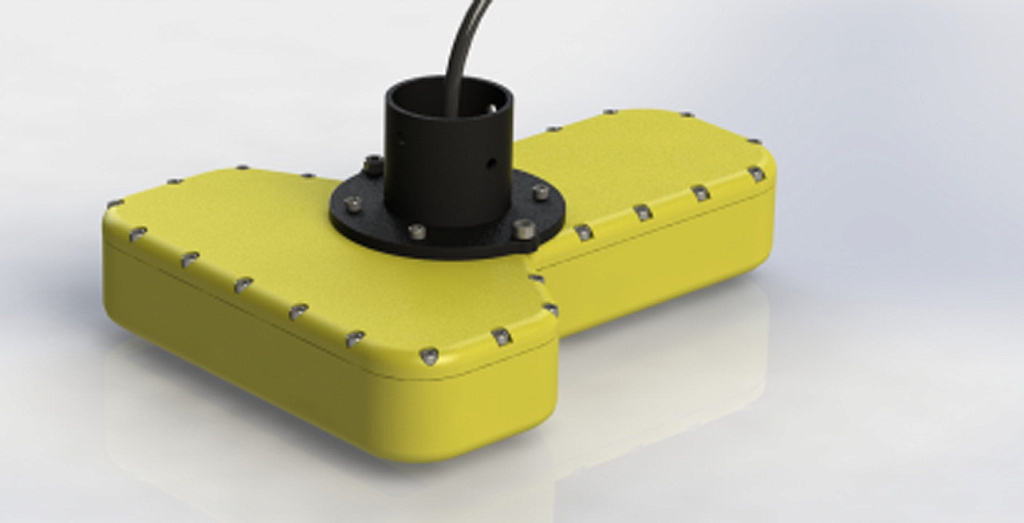
Introduction to Multibeam Echo Sounder Calibration
Multibeam echo sounders are essential tools in hydrographic surveying, seabed mapping, and underwater exploration. They provide high-resolution bathymetric data by emitting sound waves and measuring their return from the seabed. However, to ensure accuracy and reliability, proper calibration is critical.
Multibeam Echo Sounder Calibration: Best Practices Explained is a topic that every surveyor and marine technician must understand to avoid systematic errors and ensure data quality in marine mapping projects.
Why Calibration Matters in Multibeam Systems
Calibration ensures that the multibeam system produces accurate depth and positional data. Even small misalignments in sensors can lead to significant errors across large survey areas.
Key reasons calibration is important include:
- Eliminating angular offsets between sensors
- Correcting timing delays in signal processing
- Aligning gyrocompass and motion reference units
- Ensuring consistency across survey lines
Without proper calibration, datasets may become unreliable, leading to incorrect seabed interpretations and costly re-surveys.
Core Steps in Multibeam Echo Sounder Calibration
1. Patch Test
The patch test is a fundamental procedure used to determine and correct system offsets such as roll, pitch, yaw, and latency. Surveyors run overlapping survey lines in different directions to detect inconsistencies.
2. Sound Velocity Profiling
Sound speed in water varies with temperature, salinity, and pressure. Incorrect sound velocity profiles can distort depth readings. Regular profiling ensures beam refraction is accurately accounted for.
3. Timing and Latency Checks
Latency between positioning systems (GNSS) and sonar data must be measured and corrected. Even milliseconds of delay can shift seabed features horizontally.
4. Alignment of Sensors
All sensors, including motion reference units and gyrocompasses, must be physically and digitally aligned with the multibeam transducer reference frame.
At this stage, Multibeam Echo Sounder Calibration: Best Practices Explained becomes highly relevant because these steps form the foundation of reliable hydrographic data collection.
Best Practices for Accurate Calibration
To achieve optimal results, surveyors should follow established best practices:
Perform Calibration in Stable Conditions
Calibrate in calm waters with minimal vessel motion to reduce environmental interference.
Repeat Calibration Regularly
Frequent recalibration is necessary, especially after equipment maintenance or sensor replacement.
Use High-Quality Reference Data
Accurate GNSS and motion data improve the reliability of calibration outcomes.
Document All Procedures
Maintaining detailed calibration logs helps identify recurring issues and supports quality assurance.
Common Mistakes to Avoid
Even experienced operators can make errors during calibration. Common mistakes include:
- Ignoring environmental conditions like strong currents or waves
- Using outdated sound velocity profiles
- Failing to repeat patch tests after equipment changes
- Poor sensor mounting alignment
Avoiding these mistakes is essential for maintaining data integrity.
Advanced Considerations in Calibration
Modern hydrographic systems integrate advanced automation and real-time correction algorithms. However, human oversight is still essential.
In complex surveys such as offshore engineering or deep-sea mapping, Multibeam Echo Sounder Calibration: Best Practices Explained extends beyond basic procedures and includes continuous quality monitoring throughout the survey.
Conclusion
Accurate multibeam surveying depends heavily on careful and consistent calibration practices. From patch tests to sound velocity profiling, every step plays a role in ensuring high-quality bathymetric data.
Understanding Multibeam Echo Sounder Calibration: Best Practices Explained helps survey professionals minimize errors, improve efficiency, and produce reliable underwater maps that support engineering, navigation, and environmental studies.