

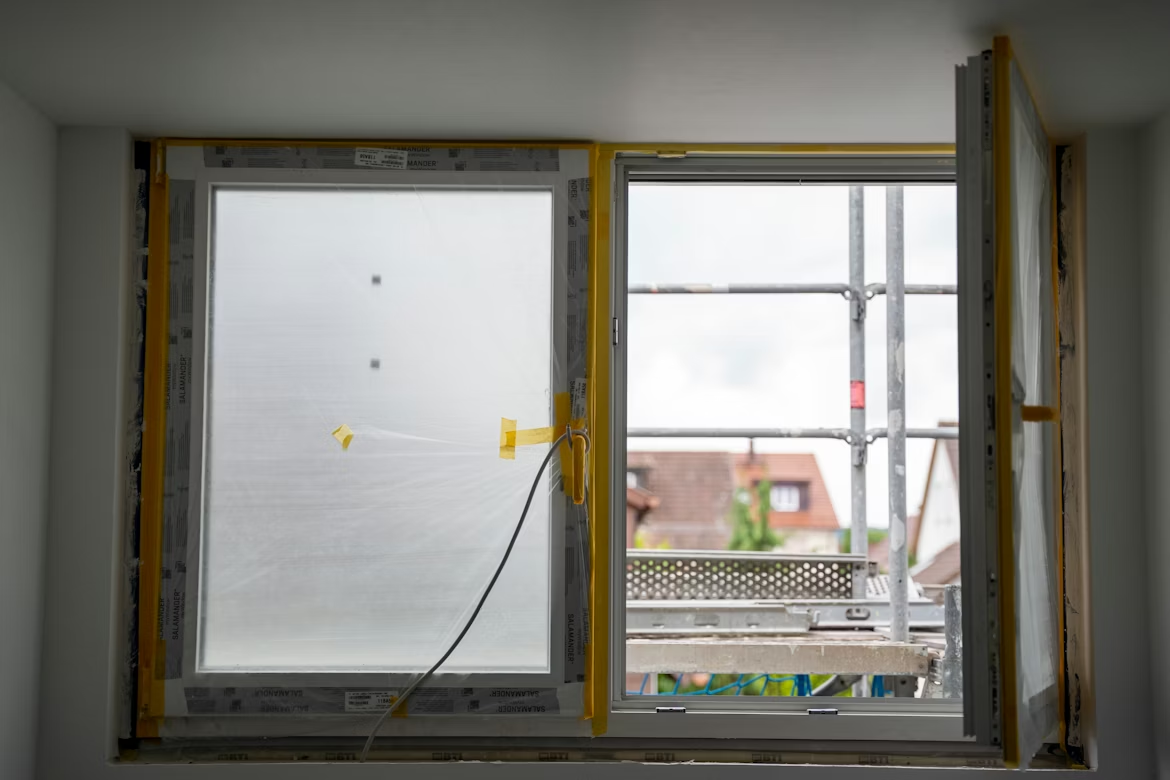
Home window installation is a significant home improvement project that can enhance your home’s energy efficiency, aesthetic appeal, and overall value. Whether you’re replacing old windows or installing new ones, understanding the installation process can help you achieve the best results. This guide outlines the essential steps involved in home window installation.
Planning and Preparation
Before diving into home window installation, careful planning is crucial. This first step involves selecting the right type of windows that match your home’s style and energy efficiency goals. Measure the existing window frames accurately to ensure a correct fit for the new windows. It’s also essential to choose materials that suit your climate—vinyl, wood, and fiberglass are popular options.
After confirming your choices, gather all necessary tools and materials, which may include a level, screwdriver, caulk, and safety gear. Proper preparation lays a strong foundation for a successful installation.
Removing the Old Windows
The next step in the home window installation process is removing the old windows. Begin by carefully detaching any trim and securing the area to protect against debris. Use a pry bar to break loose the old window, ensuring that you do not damage the surrounding frame.
Once the window is removed, it’s essential to inspect the frame for rot or damage, as addressing these areas is crucial for the longevity of your new installation. Prepare the opening by cleaning it thoroughly and making necessary repairs before moving on to the new window.
Installing the New Window
With the old window out and the frame prepared, it’s time for home window installation. Carefully position the new window in the opening, making sure it’s centered and level. Use shims to align the window for a snug fit, maintaining even spacing around it for proper insulation. Secure the window by fastening it through the designated points in the frame.
This step is vital for ensuring that the window is structurally sound and able to withstand the elements. Double-check that everything is level before proceeding to the next phase.
Sealing and Insulation
Proper sealing is a critical component of home window installation that should not be overlooked. Once the new window is secured in place, apply insulation around the frame to prevent drafts and improve energy efficiency. Use expanding foam or fiberglass insulation to fill any gaps, ensuring a tight seal.
Next, apply weather-resistant caulk around the edges of the window. This step enhances both insulation and aesthetic appeal, preventing air and moisture from entering. A well-sealed window will contribute to long-term energy savings and comfort in your home.
Final Touches and Cleanup
The final steps of home window installation involve adding any decorative trim or interior finishes to give your windows a polished look. Reinstall the exterior trim if it was removed during the process, or replace it with new materials that enhance your home’s curb appeal.
Once everything is in place, conduct a thorough cleanup of the area, removing debris and tools. Finally, test the window to ensure it opens and closes smoothly, verifying that all elements of the installation are functional and complete.
Conclusion
In conclusion, home window installation is a multi-step process that requires careful planning, precise execution, and attention to detail. By following this guide, you can ensure that your window installation is successful, improving both the aesthetic appeal and energy efficiency of your home.
Whether you’re a DIY enthusiast or hiring a professional, understanding these steps can help you make informed decisions for a better home environment.
